For years, branding has comforted itself with a lie: that meaning is something you uncover. That if you dig deep enough – run enough workshops, write enough Post-its, interrogate enough purpose statements – meaning will eventually reveal itself. Spoiler alert: it won’t. Because brand meaning isn’t a hidden artefact waiting to be found. It’s a decision. And most brands are avoiding making it.
Meaning requires commitment – not consensus
Choosing meaning is uncomfortable. It forces trade-offs. It excludes. It demands clarity in places where organisations often prefer ambiguity. Which is why so many brands settle for values that sound right rather than beliefs they’re willing to act on:
“Innovative.”
“Customer-centric.”
“Trusted.”
“Human.”
None of these are wrong. They’re just safe. And meaning isn’t safe.
Meaning begins when a brand decides what it will stand for even when it costs something. When it chooses a position it is willing to defend – internally and externally – over time.
Not because it tests well. But because it’s true.
Meaning begins when a brand decides what it will stand for even when it costs something.
Strategy isn’t separate from meaning – it’s the proof of it
The strongest brands don’t talk about meaning more. They behave more deliberately. Their strategy makes sense because it is anchored in a belief about the world, their role in it and the value they create. Their decisions stack up. Their tone feels intentional. Their design choices feel inevitable.
This is where many brands fall down. They treat meaning as the emotional layer applied after strategy – rather than the filter that shapes it. A story to tell, not a stance to take.
But meaning only becomes credible when it shows up in what a brand chooses to prioritise – and what it’s willing to deprioritise:
What it launches. What it doesn’t. How it grows. How it speaks when things go wrong.
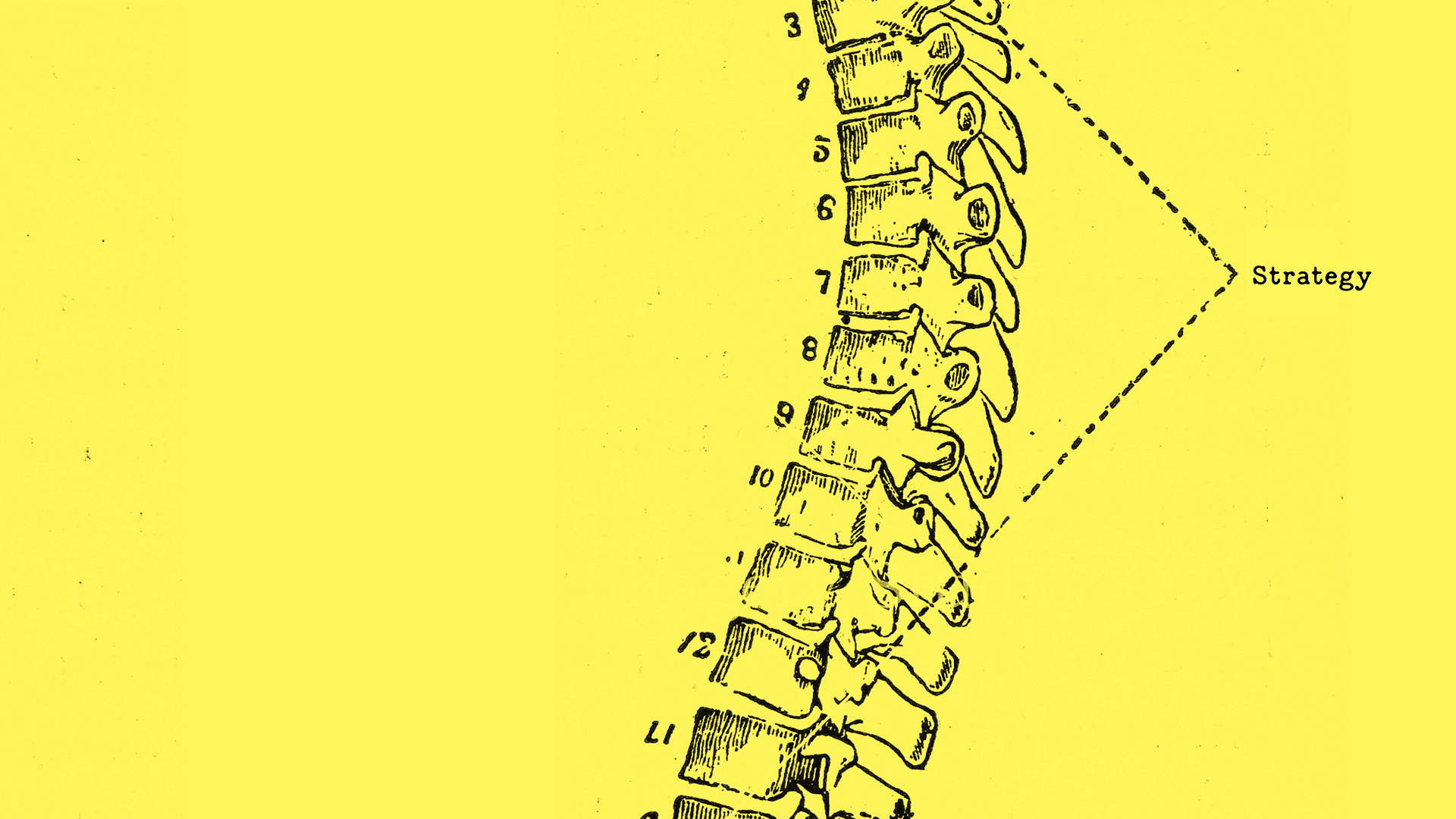
That’s not messaging. It’s strategy with a spine.
Chances are your brand doesn’t need more meaning – it needs more courage to act on it
Most organisations already know the territory they could own. The tension they could lean into. The point of view they could articulate.
What’s missing isn’t insight. It’s conviction.
Choosing meaning means accepting that not everyone will agree. That clarity can feel risky. That a sharper brand can provoke discomfort before it builds trust.
But the alternative is far riskier – blending in, sounding the same, and slowly becoming irrelevant while telling yourself you’re “playing it safe”.
Meaning isn’t loud. It’s precise. And precision always comes from choice.
Choosing meaning means accepting that not everyone will agree.
The brands that matter have decided to matter
The brands we admire most didn’t stumble into meaning. They committed to it. Early. Repeatedly. Sometimes quietly. Often against the grain.
Instead of asking, “What could we say?” They asked, “What do we believe – and are we prepared to act on it?”
That’s the difference between branding that decorates and branding that directs. Because meaning isn’t something you discover once and write down. It’s something you choose – and keep choosing – every day.
And in a world drowning in noise, the brands that endure won’t be the loudest. They’ll be the ones brave enough to decide what they actually stand for – and mean it.
Instead of asking, “What could we say?” They asked, “What do we believe – and are we prepared to act on it?”
So why does this matter – and what do we at Cubic do about it?
Meaning is a leadership decision. It requires clarity, judgement and the confidence to make calls that don’t come from consensus or comfort. That’s where we operate.
We help organisations turn belief into direction and direction into action from the top – aligning strategy, identity and behaviour so meaning doesn’t just sound good, it holds.
The result is stronger brands. Brands with a strategic spine, capable of making better decisions, building deeper trust and standing for something that actually endures.
Does your brand have a strategic spine – something that aligns decisions, shapes behaviour and gives creative work direction? If not, and you’re ready to define one, let’s talk.